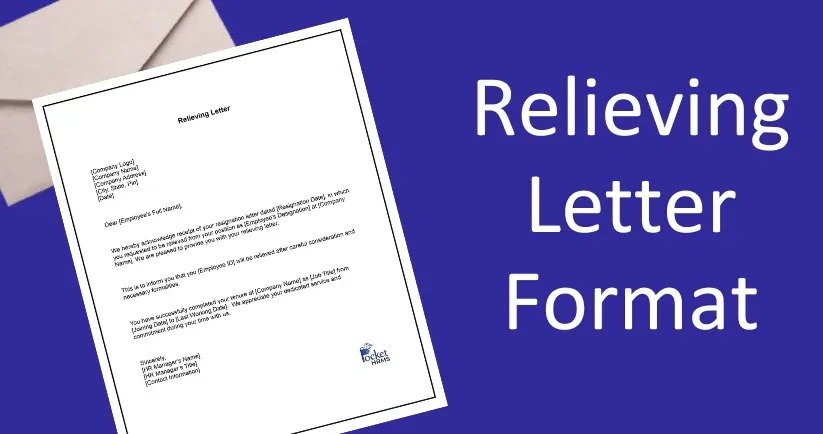
Relieving Letter Word Format 2026: Direct Download for HR & Employees
Leaving a job is a major milestone for any professional. In 2026, the job market is faster and more digital than ever. A relieving letter remains the most vital document during this transition. It serves as official proof that an employee has completed their tenure and fulfilled all obligations. For HR departments, providing a clear and professional relieving letter is a sign of good corporate governance.
For employees, it is the “green signal” needed to join a new organization without legal or administrative hurdles. This guide provides a modern, relieving letter word format download to simplify the exit process. Whether you are an HR manager looking for a standard template or an employee wanting to know what to expect, this pillar content covers everything. We focus on clarity, legal compliance, and professional tone to ensure your career transition is as smooth as possible.
What is a Relieving Letter and Why is it Important?
A relieving letter is a formal document issued by an employer to an employee on their last day of work. It confirms that the company has accepted the employee’s resignation. In 2026, companies rely heavily on verified documentation for background checks. This letter proves you are not currently “double-hatting” or bound by active contracts elsewhere.
It officially states that you have handed over all company property and completed the full and final settlement (F&F). Without this document, your next employer might delay your joining date. It acts as a bridge between your past and future careers. For HR, it closes the employee’s file permanently. It protects the company from future claims by stating that all dues have been cleared.
Key Components of a Professional Relieving Letter
A relieving letter should be crisp yet complete in structure. It generally is on the company’s official letterhead, as proof of authenticity. The name, ID number and designation of the employee should be mentioned in the letter. If we look carefully, it has the joining date and the last day of work. Use neutral, professional language as appropriate.
It should have mentioned that the resignation was accepted and the ex-ee is now “relieved” of his assignments. Including the end of the notice period is also useful for verification in the future. “Good luck to them,” at least shows a little professional courtesy. Lastly, the claim form should be signed by authorized signatories (e.g. HR Manager, Department Head) with the company chop.
How HR Teams Use Relieving Letter Word Formats
Human Resource departments are usually processing dozens of exits per month. This is handy as different managers choose to draft the relieving letter for their stricken employee and it’s more convenient to use a common pad of word relieving letter. HR managers don’t write a new letter each time; they use the “Fill in the Blanks” template. This helps to avoid forgetting important things, such as the accurate last working day and the designation of the employee.
In 2026, these Word formats are typically incorporated into HRMS packages for automatic generation. But there are, of course, cases where you need that single Word file for manual changes or special conditions. Using a standard format ensures that the company remains in compliance with labor laws. It also fosters a good brand image, indicating that the company values its departing talent.
Relieving Letter vs. Experience Letter: Knowing the Difference
A relieving letter is different from an experience letter. Many times, people interchange the terms relieving and experience letters. Though connected, they are two different things. “An exit can be a vertical lift, and I got one,” he said. “To that extent, the letter is accurate.” A relieving letter zeroes in on the “exit” aspect of the job. It verifies that you have parted company legally and professionally.
In contrast, an experience certificate highlights your “term” and “skills.” It explains your performance, accomplishments and what was your role in the projects. You typically get both on your final day. The relieving letter is your “clearance” doc, and the experience letter is your “reference” doc. During the onboarding process, most new employers at 2026 will request both. Knowing this difference assists you in making sure you have all the necessary paperwork for your career path.
Common Mistakes to Avoid in a Relieving Letter
For an employee, errors in a relieving letter can be a cause of considerable headache. Given the chance to screw up, one of the most common blunders is mismatched dates. Mismatch in the Date of Joining and the last working day. It can throw a red flag during background verification (BGV).
Omission of the company seal or the authorized person’s signature is also a common error. Without them, other firms could consider the document invalid. Similarly, HR should refrain from using emotional or negative language. The letter is a statement of fact about your employment. If you are an employee: Always validate that your name aligns with your official ID (like a Passport or Aadhaar). If you see a typo, request a correction right before walking out the door.
Essential Information to Include in a Relieving Letter
When you use a relieving letter word format download, ensure it contains these specific bullet points:
- Current Date: The date the letter is being issued.
- Employee Details: Full name, Employee code, and last held Designation.
- Employment Dates: The exact start date and the final working date.
- Resignation Acceptance: A clear statement that the resignation was received and accepted.
- Full and Final Settlement Status: Confirmation that all dues have been settled.
- Conduct and Performance: A brief, positive statement regarding the employee’s tenure.
- Authorized Signature: Name and title of the person signing the document.
- Company Stamp: To prove the document is official and authentic.
FAQs about Relieving Letters
Do I require a relieving letter for my next job?
More often than not – Yes. Every professional organisation demands a relieving letter to confirm that the candidate has been formally released from his/her previous employer.
Is it possible for an office to deny a relieving letter?
As an employer, the only circumstances in which you are authorised to deny a relieving letter at all are when there are outstanding payments or disciplinary disputes with an employee and if they haven’t worked for the stipulated notice period.
Is a digital relieving letter still relevant in 2026?
Yes, most of the companies also consider digitally signed relief letters in PDF format as a legally valid document.
What can we do if I lose my relief letter?
You need to reach out to your former employer’s HR department right away. They generally have a copy in their files and will provide one.
Conclusion
A résumé is not just a piece of paper; it represents who you are professionally. In 2026, the successful player will keep a good, clean career as documented. Employers. The act of furnishing a good, relieving letter word format for employers is a sign of professionalism. It’s a way of making the exit decent and legal. For workers, obtaining this piece of paper means minimal admin blockages during their transition to pastures new. By using the elements and templates described in this article, both you can your employee can move through the resignation process with confidence. As always, remember to verify everything one more time before the final sign-off so you’ll be on your way to that next great career opportunity.