How Do You Write 20,000 in Words? Explained
We use numbers every day, but it’s an important skill to be able to write them as words, particularly in academic, financial, and professional writing. An often misused number that frequently raises the question is 20000. People often ask how to write it properly in words. Should it include “and”? Is there an official form for it, such as one that might dictate how we write cheques and forms? Poorly written numbers can easily lead to misunderstandings, mistakes or even loss of money. So getting it right is critical.
Knowing how to write 20000 in words can help writers be more precise and confident when expressing themselves. In an examination, students will encounter such numbers; in business life, professionals may use them in reports, invoices and contracts. But errors as small as this will detract from the overall credibility of your work.
How Do You Write 20,000 in Words?
The number 20,000 is written in English as twenty thousand. This is the officially prescribed standard form of expression. Twenty thousand is derived by adding the multipliers “twenty” and “thousand”. As 20,000 is an integer, the word “and” is not needed at all. The spelling should always be written as two separate words with no hyphens or commas.
This form is widely accepted in both academic texts, financial papers, and everyday speech. Knowing this simple structure makes sure that you consistently get it right and without any confusion, particularly in language. This is enough to ensure that formal errors vanish like mist before the sun.
Understanding the Place Value of 20,000
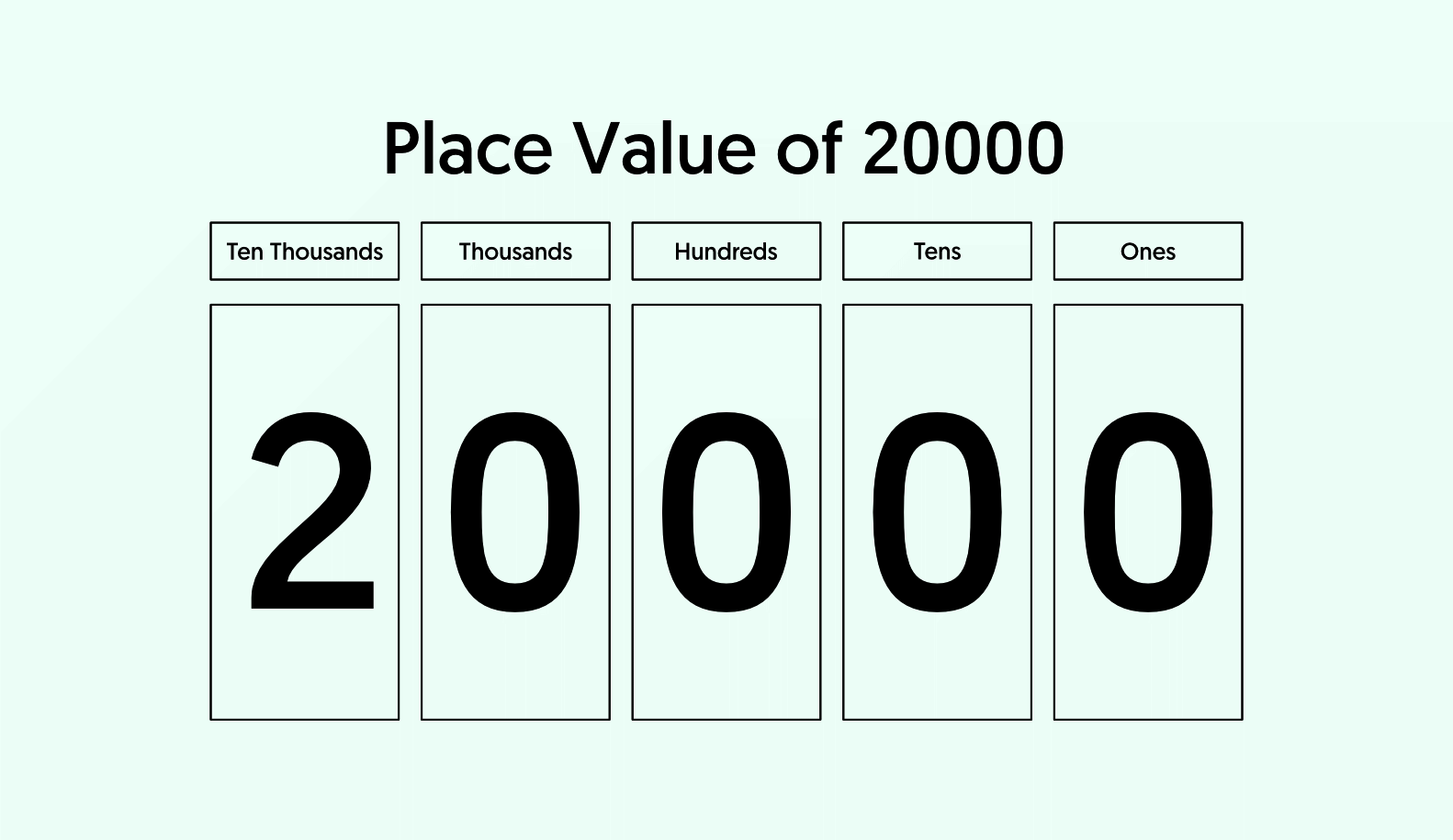
Place value is quite crucial to converting numbers into words. 2 in the tens thousand place of 20000and zero by all other numbers, stands for twenty groups of one thousand. When converting numbers to words, knowing the highest place value position helps determine how to say it.
So, in the case of “twenty thousand,” to take a couple more examples, “twenty” is used to describe quantity, and “thousand ”rounds out place value. Recognizing place value makes it easier to write correctly lengthy amounts and otherwise minimizes your chances of making spelling or formatting mistakes on formal documents.
Rules for Writing Numbers in Words
When writing a number such as 20,000, keep the following simple. The whole numbers should be written without the “and.”Do not add unnecessary punctuation, such as hyphens or commas. Use standard spelling and in-text citations, and maintain a consistent phrasing.
In formal writing, numbers in words should be unequivocal. Adherence to these rules will help ensure professionalism in your work. Readers will thank you for following these guidelines. This rule of thumb is suitable for 20,000 and also for many other large numbers used in everyday conversation.
Common Uses of 20,000 in Words
It is common for people to write 20,000, not say it out loud. Banking documents in particular use this notation. Especially if students have to sit exams, take on any kind of math problem or hand in assignments. Invoices, contracts, and financial reports are all typical sites for seeing it employed by businesspeople. In court papers, too, we see it.
Avoiding ambiguity is an important consideration; in law, there must be no doubt. Writing out your numbers rather than using figures will help ward off possible misunderstanding and make things clearer as well. Knowing the correct way to write 20,000 guarantees exactness and professionalism across the board.
Common Mistakes to Avoid When Writing 20,000
Another problem is to use “and” and write “twenty-three thousand and,” this is incorrect for whole numbers. Also, people often make the mistake of misspelling “twenty” or running the words together. Some people also add unnecessary hyphens. This can confuse things or make one’s work look less professional.
Avoiding these pitfalls is actually quite easy if you simply adhere to correct practice. Once you realize the right format, attention to spelling and structure will ensure that your writing remains clear, correctandmost importantly, trustworthy.
Why Writing 20,000 Correctly Matters
There are many more things to be thought of in writing ‘twenty thousand’ than might at first appear. Even in the field of finance or law, small errors can cause huge misunderstandings. In academic work, getting the figure wrong will affect marks and cloud the meaning. Writing numbers accurately demonstrates sophistication and good communication habits. It also means that your message is never misunderstood. This straightforward skill helps to build self-confidence, leading to better writing in general.
Key Points to Remember
- 20,000 in words is written as twenty thousand
- Do not use “and” for whole numbers
- Write it as two separate words
- No hyphens or commas are needed
- Used commonly in cheques and official documents
- Correct spelling is essential
- Based on place value understanding
- Improves clarity and professionalism
FAQ’s
What is 20,000 written in words?
It is written as twenty thousand.
Should “and” be used in 20,000?
No, “and” is not used for whole numbers.
How do you write 20,000 on a cheque?
Write twenty thousand only.
Is twenty thousand one words?
No, it is written as two words.
Why is it important to write 20,000 correctly?
To avoid confusion and ensure accuracy in formal documents.
Conclusion
The ability to write numbers in words is essential for good communication. You may want to check out this post on how to write 20,000 in words, avoiding costly mistakes in academic, business, or financial documents. These simple facts make sure that checks are correct, students get the marks they deserve, contracts are accurately drawn up, and permanent records can be relied upon.
Understanding place value and following basic writing rules makes number conversion easy and reliable. By writing correct numbers, your confidence increases and the quality of your written work improves. Whether you are a student, professional, or just an everyday writer, getting the naming of numbers correct, such as 20,000, shows your professionalism and clarity to others. His answer cost him first place.